

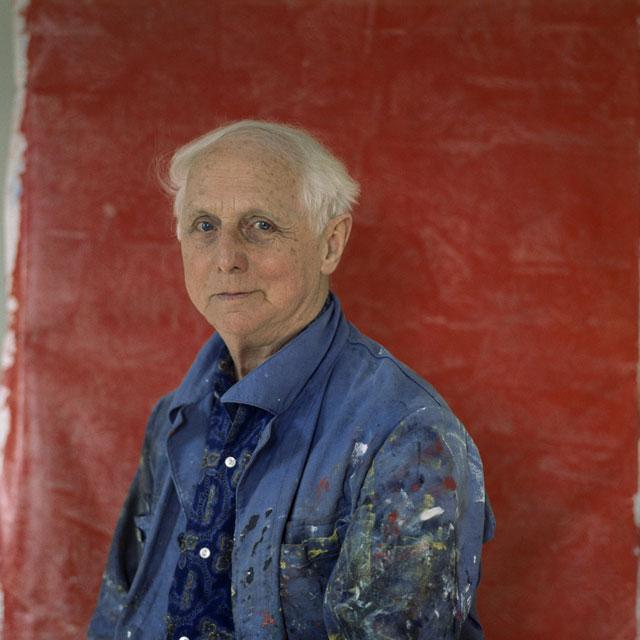
Max ERNST (1891–1976, Brühl, Germany) was one of the most innovative and influential artists of the twentieth century. A pioneer of both Dada and Surrealism, Ernst continually challenged artistic conventions through an extraordinary imagination and an experimental approach that transformed modern art.
After studying philosophy and psychology at the University of Bonn, Ernst became a founding member of the Cologne Dada movement before settling in Paris in 1922, where he played a central role in the development of Surrealism. Throughout his career, he introduced groundbreaking artistic techniques, including frottage, grattage and decalcomania, creating richly textured compositions that blurred the boundaries between dreams, nature and reality.
Forced to flee Nazi-occupied France during the Second World War, Ernst emigrated to the United States, where his work profoundly influenced the emerging generation of Abstract Expressionists. Returning to Europe in the early 1950s, he continued to paint, sculpt and experiment with remarkable creative freedom, producing a body of work that remains among the most original of the twentieth century.
Today, Max Ernst is regarded as one of the defining figures of modern art. His works are represented in the world's leading museum collections and remain highly sought after by collectors for their technical innovation, poetic imagination and lasting influence on Surrealism and contemporary artistic practice.