

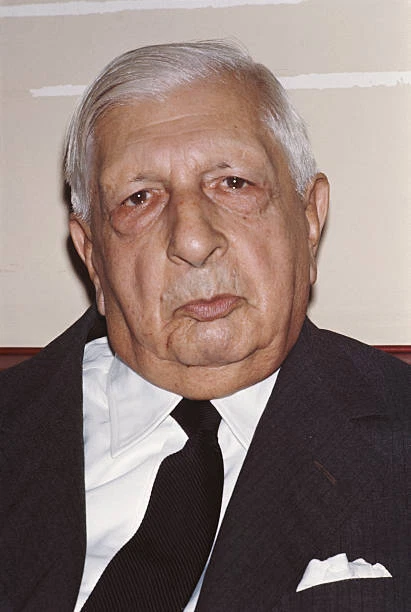
Giorgio de CHIRICO (1888–1978, Volos, Greece) was one of the founding figures of metaphysical painting and among the most influential artists of the twentieth century. Renowned for his enigmatic cityscapes, classical architecture and dreamlike atmospheres, De Chirico created a visual language that profoundly shaped the development of Surrealism and modern art.
Born in Greece to Italian parents, De Chirico studied in Athens, Florence and Munich, where he was deeply influenced by classical antiquity, German philosophy and the works of Arnold Böcklin and Max Klinger. Around 1910, he developed his distinctive Pittura Metafisica (Metaphysical Painting), characterised by deserted piazzas, elongated shadows, arcades and mysterious mannequins that evoke a timeless and unsettling sense of silence.
Although his metaphysical masterpieces remain his greatest legacy, De Chirico enjoyed a remarkably diverse career spanning more than six decades. His oeuvre includes paintings, drawings, sculptures, stage designs and prints, reflecting a lifelong fascination with mythology, architecture and the relationship between memory, dreams and reality.
Today, Giorgio de Chirico is recognised as one of the pioneers of modern European art. His works are held in the world's leading museums and remain highly sought after by collectors for their philosophical depth, unmistakable imagery and lasting influence on generations of artists, including René Magritte, Salvador Dalí and Max Ernst.