

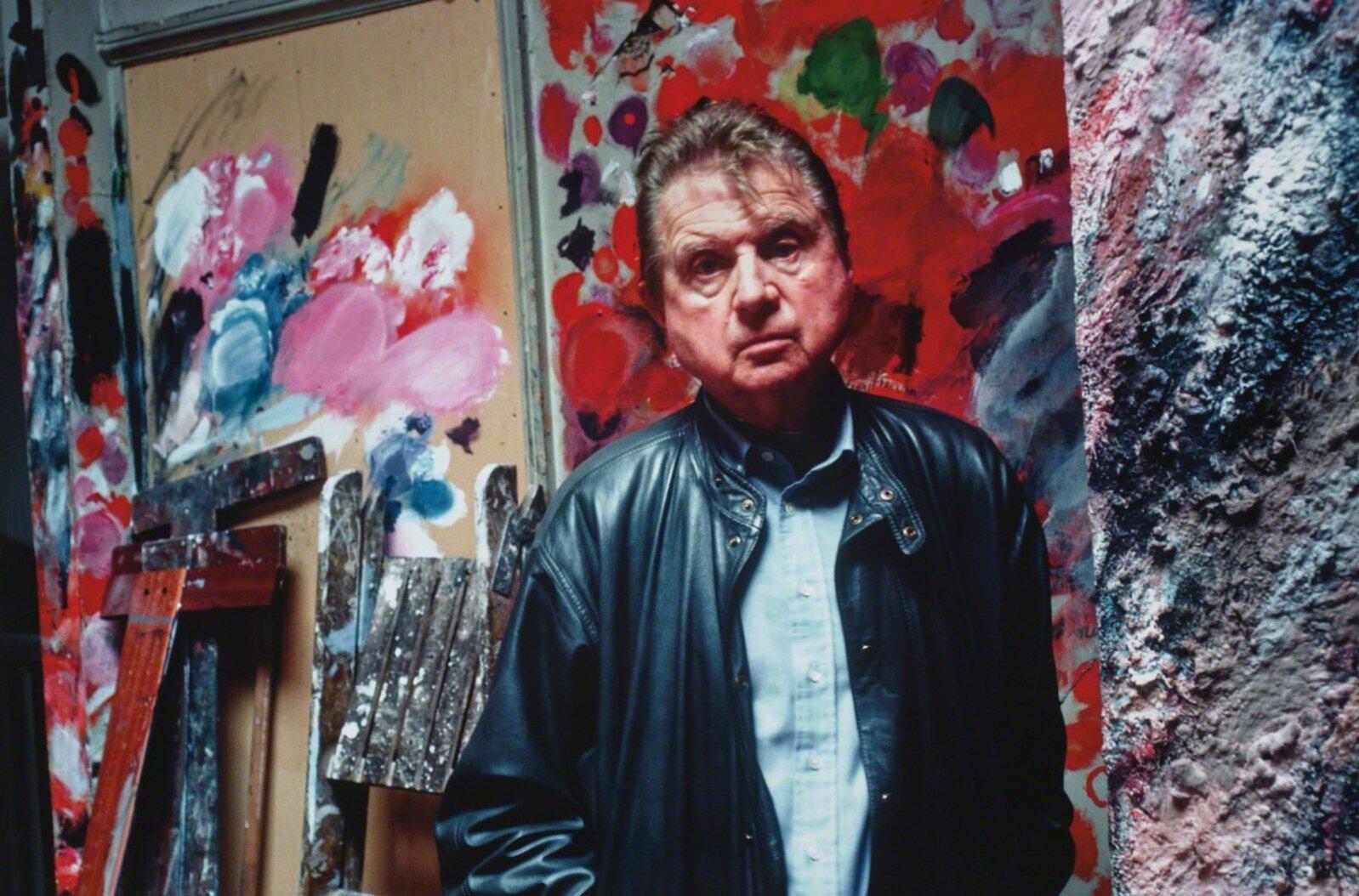
Francis Bacon (1909–1992, Dublin, Ireland) was one of the most influential painters of the twentieth century, renowned for his powerful figurative works that explore the complexities of the human condition. Through distorted forms, dramatic compositions and an unmistakable visual intensity, Bacon created a deeply personal artistic language that continues to shape contemporary painting.
Largely self-taught, Bacon began exhibiting in London during the 1940s, gaining international recognition with his striking reinterpretations of the human figure. Drawing inspiration from Old Masters such as Velázquez and Rembrandt, as well as photography and cinema, he developed a distinctive style that confronts themes of mortality, isolation and psychological tension.
Throughout his career, Bacon exhibited extensively worldwide, including major retrospectives at the Grand Palais in Paris, Tate Britain in London and the Museo Nacional Centro de Arte Reina Sofía in Madrid. His works are held in the world's leading museum collections, firmly establishing his reputation as one of the defining artists of post-war art.
Today, Francis Bacon remains one of the most sought-after artists on the international art market. His paintings continue to achieve record prices at auction, while his uncompromising vision and extraordinary influence secure his place among the greatest masters of modern art.